A crisis rarely arrives at a convenient time. It might be a serious incident involving staff in the field, an allegation of misconduct, a data breach, a misjudged social media post or a damaging news story about how funds were used. In the first hours, what your organisation says and does will shape how supporters, donors, partners, regulators and the communities you serve judge you for a long time. Effective crisis communication is not about spin. It is about responding quickly, honestly and humanely while protecting the people affected. This article sets out a practical 24-hour playbook that NGOs of any size can adapt.
Before the crisis: the preparation that makes the playbook work
The first 24 hours go far better if certain decisions are made in calm conditions. If you have nothing else in place, prioritise these:
Crisis-readiness checklist
- A named crisis team with clear roles: lead decision-maker, communications lead, operations or programme lead, safeguarding focal point, legal/HR adviser and a note-taker.
- Up-to-date contact details (including out-of-hours numbers) for the team, board chair, key donors, insurers and legal counsel.
- A trained spokesperson and a deputy.
- Holding statement templates for your most likely scenarios.
- Agreed sign-off rules: who can approve a statement, and how quickly.
- Access to all social media accounts and the website, held by more than one person.
- A risk register that identifies likely crisis scenarios and owners.
- Knowledge of your legal and regulatory obligations, such as reporting duties to donors, regulators or data protection authorities.
Thinking through risks before they materialise is a central part of project planning; our Project Management Fundamentals workshop covers proactive risk planning in an NGO context.
The 24-hour crisis communication playbook
The timings below are a guide, not a stopwatch. The principle is that you move from facts and safety, to acknowledgement, to fuller communication, with internal audiences never finding out about a crisis from the media.
Hour 0–1: Assess, protect and activate
- Put people’s safety first. If anyone is at risk, operational and safeguarding responses come before communications.
- Activate the crisis team through an agreed channel. Open a single, time-stamped log of facts, decisions and actions.
- Establish what you know, what you don’t and what you are assuming. Write these in three separate columns.
- Assess severity: Who is affected? Is it already public? Is it likely to become public? Are there legal, safeguarding or data protection dimensions?
- Pause scheduled content. Stop any planned social media posts, newsletters or fundraising appeals that could look tone-deaf.
Hour 1–2: Prepare and issue a holding statement
If the issue is public or about to become public, silence will be filled by others. A holding statement buys time without speculation. A good holding statement:
- Acknowledges what has happened, in plain language.
- Expresses genuine concern for those affected, where appropriate.
- States what you are doing now.
- Commits to providing further information, ideally with a timeframe.
- Avoids blame, speculation, jargon and defensive language.
Holding statement template: “We are aware of [brief, factual description of the situation]. [Our first concern is the safety and wellbeing of those affected / We take this matter extremely seriously.] We are [action being taken: working with the relevant authorities / investigating / supporting our colleagues and their families]. We will share more information as soon as we are able to do so [by a specific time if possible]. Media enquiries: [contact].”
Have the statement approved by the agreed sign-off person and, where there is legal exposure, checked by your legal adviser. Do not let review cycles drag on for hours.
Hour 2–4: Inform internal and priority stakeholders
Your staff, volunteers, board and closest partners should hear from you directly, before or at the same moment as the public. Send a short internal message explaining what has happened (as far as you can share), what is being done, who the spokesperson is and how to direct enquiries. Ask staff not to comment publicly or on personal social media accounts.
Then contact high-priority external stakeholders individually: the board chair, key donors, implementing partners, and, where relevant, regulators or authorities. Your stakeholder map (see our guide to stakeholder mapping on the NGO Training blog) will tell you who belongs on this list. Many institutional donors require prompt notification of serious incidents under their grant agreements, so check those obligations.
Hour 4–8: Brief the spokesperson and handle the media
Prepare a short briefing pack for the spokesperson:
- Three key messages, repeated consistently.
- A one-page fact sheet of confirmed facts only.
- Anticipated hard questions with agreed answers, including “What did you know and when?” and “Why should donors still trust you?”
- Clear boundaries: what cannot be said and why (for example, to protect individuals or an ongoing investigation).
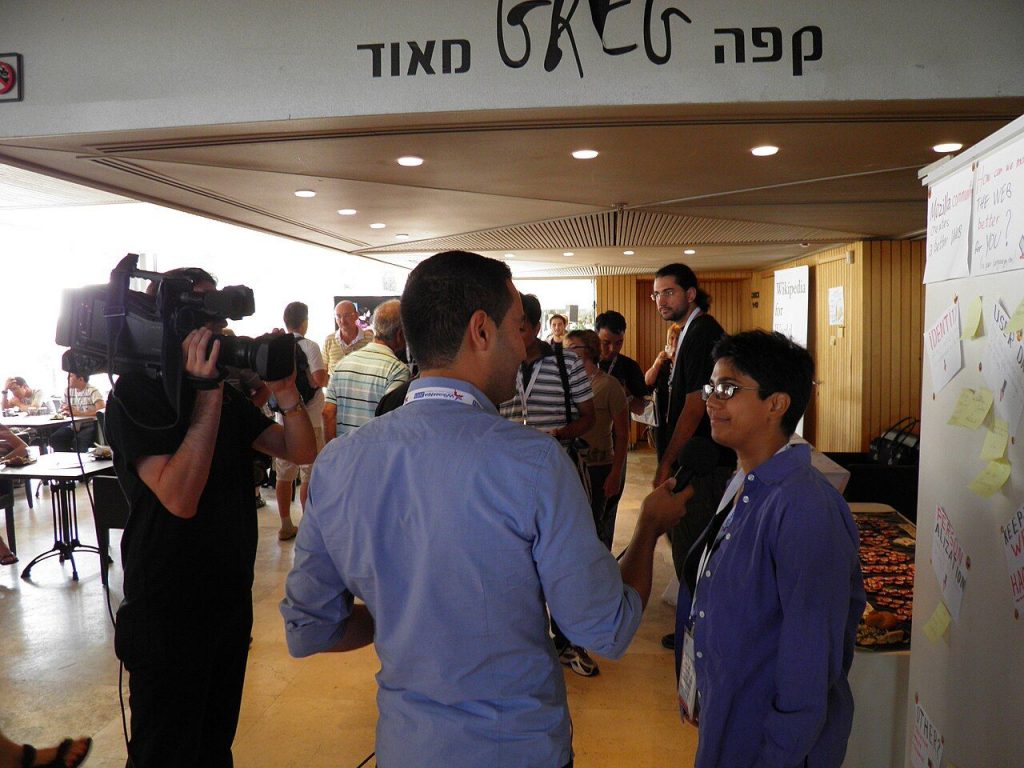
Keep a log of all media enquiries with deadlines and respond to each, even if only with the holding statement. It is acceptable to say “I don’t know yet, but I will find out” or “I can’t discuss individual cases, but I can explain our process”. Never say “no comment”; it sounds evasive. Never go “off the record” in a crisis.
Hour 8–12: Monitor and manage social media
Social media accelerates crises and often sets the tone for traditional media. Assign one person to monitor mentions, hashtags and relevant groups, and to flag significant developments to the crisis team.
- Post your statement on your own channels and pin it, so it is easy to find.
- Reply to genuine questions by pointing to the statement; avoid improvising new information.
- Correct significant factual errors once, politely and with evidence.
- Do not delete critical comments unless they breach clear community rules (for example, abuse, threats or personal data).
- Avoid humour, promotional content and anything that could look like “business as usual”.
Hour 12–24: Update, deepen and plan ahead
As facts become clearer, issue a fuller statement. It should explain what happened (as far as you can responsibly say), what you are doing to address it, what support is being offered to those affected and what will happen next, such as an independent review. If you have made a mistake, say so clearly. A sincere apology that takes responsibility and sets out concrete steps is far more credible than a carefully hedged one.
Hold a crisis team meeting at the end of the first day to review the log, update stakeholders, plan the next 72 hours and look after the team. Crises are exhausting; rotate responsibilities so that key people can rest.
| Time | Priority | Key output | Lead |
|---|---|---|---|
| 0–1 hour | Safety, facts, activation | Crisis log; severity assessment | Crisis lead |
| 1–2 hours | Acknowledge publicly if needed | Approved holding statement | Communications lead |
| 2–4 hours | Internal and priority stakeholders | Staff message; calls to board, donors, partners | Crisis lead and director |
| 4–8 hours | Media handling | Spokesperson briefing pack; media log | Communications lead |
| 8–12 hours | Online monitoring | Pinned statement; monitoring summary | Social media coordinator |
| 12–24 hours | Fuller communication and planning | Updated statement; next-steps plan | Crisis team |
Safeguarding crises: extra care required
Allegations of abuse, exploitation or harassment are among the most serious crises an NGO can face, and the most sensitive to communicate. Get them wrong and you can re-traumatise survivors, prejudice investigations or put people at risk.
- Follow a survivor-centred approach. The safety, wellbeing, confidentiality and wishes of survivors come first.
- Never identify survivors, witnesses or the accused, directly or through details that could make them identifiable in a small community.
- Talk about process, not cases. Explain how concerns are reported, investigated and acted on.
- Coordinate closely with your safeguarding lead and legal advisers, and meet any obligations to report to authorities, regulators or donors.
- Avoid defensive language such as “isolated incident” before an investigation has concluded.
- Show what will change, for example strengthened vetting, training or reporting mechanisms.
Ethical dilemmas like these, and how to balance transparency with confidentiality, are part of the PR ethics discussion in our Mastering Public Relations workshop.
A hypothetical scenario
Imagine a mid-sized NGO discovers on a Friday evening that a laptop containing beneficiary records has been stolen from a staff member’s car. Within the first hour the crisis team confirms what data was on the device, whether it was encrypted and who may be affected. The data protection lead assesses whether the incident must be reported to the supervisory authority under GDPR, which normally requires notification within 72 hours where the breach is likely to pose a risk to people’s rights. The communications lead drafts a holding statement in case the story spreads, and the team prepares clear, accessible messages for affected individuals explaining what happened and what they can do. Staff are told on Saturday morning, the board chair is called the same evening, and the main donor is informed in line with the grant agreement. The organisation’s response is calm, factual and focused on the people affected, which protects trust far better than silence would.
After the crisis: the post-crisis review
Once the immediate pressure eases, usually within a few weeks, hold a structured review. Keep it blame-free so people speak honestly.
- What happened, and what was the timeline of our response?
- What worked well in our communication and decision-making?
- Where were we slow, unclear or inconsistent?
- How did stakeholders, media and the public respond? What do monitoring data and direct feedback tell us?
- Were the people most affected adequately supported and informed?
- What will we change in our policies, plans, training and templates?
Record the agreed actions with owners and deadlines, update your crisis plan and run a short simulation exercise within the following months to test the changes.
Common mistakes to avoid
- Waiting for every fact. A short, honest acknowledgement beats hours of silence.
- Speculating. Unconfirmed details that later prove wrong do lasting damage.
- Forgetting staff. Employees who learn about a crisis from the news feel betrayed and may speak out.
- Multiple spokespeople. Inconsistent messages create a second story.
- Legalistic, defensive tone. People respond to humanity and accountability.
- Carrying on with scheduled marketing. Pause campaigns until the situation is clear.
- Skipping the review. Without it, the same weaknesses will reappear in the next crisis.
Key takeaways
- Prepare before a crisis: team, contacts, spokesperson, templates and sign-off rules.
- Put people’s safety first, then establish facts and open a crisis log.
- Issue a holding statement quickly if the issue is or will become public.
- Tell staff, board and key stakeholders directly, before they read it elsewhere.
- Brief one trained spokesperson with clear messages and boundaries.
- Handle safeguarding cases with a survivor-centred, confidential approach.
- Review honestly afterwards and update your plan.
Would your team know what to do if a crisis broke tonight? NGO Training’s Mastering Public Relations workshop covers media relations, ethics and communicating with different audiences, and our in-house training can include a tailored crisis simulation for your team. Contact us to find out more.