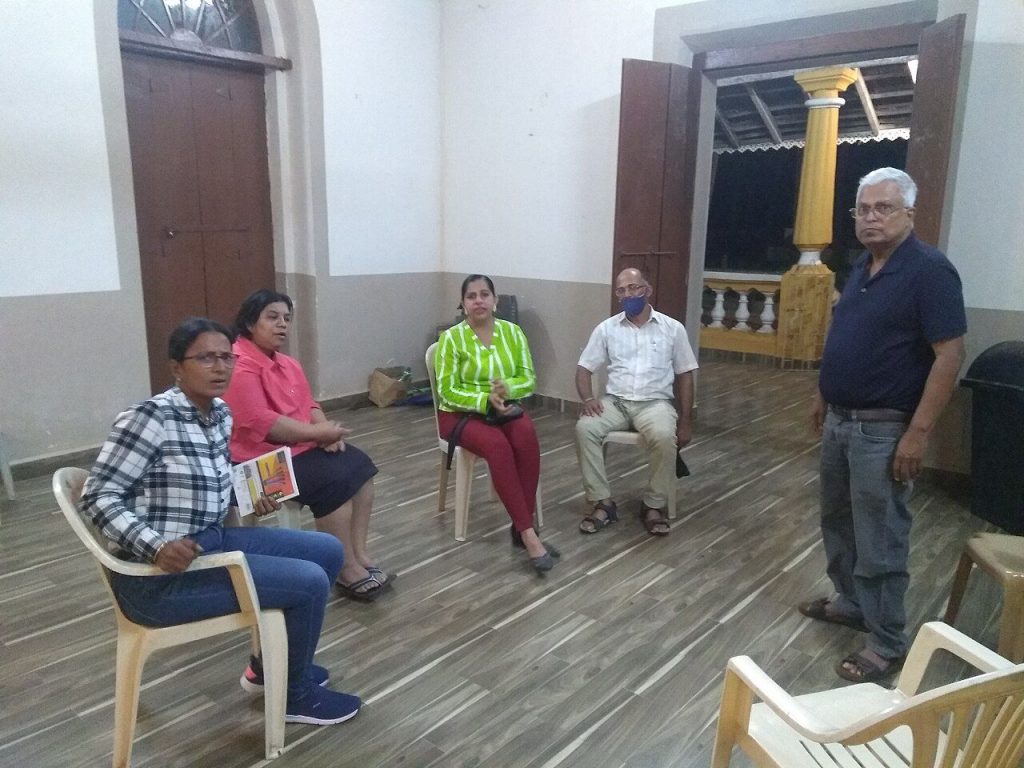
Volunteers bring time, skills, energy and community connections that many NGOs could not function without. But volunteering is not free: good volunteers need clear roles, thoughtful recruitment, safe screening, proper induction and ongoing support. When those foundations are missing, volunteers drift away, staff become frustrated and safeguarding risks grow. This guide sets out volunteer management best practices across the whole cycle — from writing a role description to saying goodbye well — with templates, checklists and a note on the legal framework in Belgium.
Think of volunteering as a cycle
Effective volunteer programmes treat the volunteer experience as a cycle with distinct stages, each needing its own attention:
- Planning and role design
- Recruitment
- Selection, screening and safeguarding
- Agreement and induction
- Supervision and support
- Recognition and development
- Offboarding and staying in touch
Before you start, ask a strategic question: why does our organisation involve volunteers, and what difference do they make? The answer shapes everything else. Volunteers should add value and extend your reach — not fill gaps that should be paid positions, which can damage relationships with staff and unions and may raise legal questions.
Step 1: Write clear volunteer role descriptions
A role description is the foundation of good volunteer management. It does not need to be long, but it should be specific. Include:
- Role title that is meaningful (for example “Community Outreach Volunteer” rather than “Helper”).
- Purpose: how the role contributes to your mission.
- Main tasks: five to eight concrete activities.
- Time commitment: hours per week or month, duration, flexibility, remote or on-site.
- Skills and qualities: distinguishing essential from desirable.
- Support offered: training, a named supervisor, expenses policy, equipment.
- Screening requirements: for example references or a criminal record extract for roles involving children or vulnerable adults.
- What the volunteer gains: experience, skills, a reference, belonging.
- Boundaries: what the role does not include.
Tip: Offer a range of roles with different commitment levels — one-off event help, short projects, skilled remote tasks and long-term roles. “Micro-volunteering” can be a gateway to deeper involvement.
Step 2: Recruit with the volunteer’s motivations in mind
People volunteer for many reasons: to support a cause they care about, gain experience, meet people, use professional skills, or give back. Effective recruitment speaks to these motivations.
- Start with your existing networks: current volunteers, supporters, alumni of your programmes and partner organisations.
- Use targeted channels: volunteer platforms, universities, corporate volunteering programmes, professional associations and local community groups.
- Write appealing adverts: lead with the impact and the experience, not the list of tasks. Be honest about the commitment.
- Reach beyond the usual suspects: think about language, accessibility, timing and location so that people from different backgrounds can take part.
- Respond quickly: enthusiasm fades fast. Acknowledge every enquiry within a few working days.
Recruitment messaging draws on the same principles as any good marketing campaign: know your audience, offer a clear value proposition and make the next step easy — themes we explore in the Mastering Marketing workshop.
Step 3: Selection, screening and safeguarding
Selection is a two-way process: you assess whether the person suits the role, and they decide whether your organisation suits them. Proportionality is key — screening should match the level of risk in the role.
| Role risk level | Example roles | Typical screening steps |
|---|---|---|
| Lower | Event support, admin help, online research | Application form, informal conversation, induction |
| Medium | Fundraising with public contact, handling data or cash | Interview, references, data protection training, clear procedures |
| Higher | Work with children, vulnerable adults, or in sensitive settings | Structured interview, two references, criminal record check as legally available, safeguarding training, probation period, supervised start |
Safeguarding essentials
- Have a written safeguarding policy and code of conduct that every volunteer reads and signs.
- Include safeguarding questions in interviews for higher-risk roles.
- Explain how to raise a concern and to whom, including outside normal hours.
- Avoid situations where volunteers are alone with children or vulnerable adults unless the role explicitly requires it and the risk is managed.
- In Belgium, roles involving contact with minors typically require an appropriate extract from the criminal record; check the current requirements for your context.
- Handle all applicant data in line with GDPR, keeping only what you need for as long as you need it.
Step 4: Agreements and the legal framework
A volunteer agreement sets out what volunteers can expect from your organisation and what you hope for from them. It should be written in the language of mutual commitment, not employment: avoid terms such as “contract”, “salary”, “obligations” or “disciplinary”. A typical agreement covers:
- The role and the named supervisor.
- Induction and training offered.
- Expenses and how they are reimbursed.
- Insurance cover.
- Confidentiality and data protection.
- Safeguarding and code of conduct.
- How either party can raise problems or end the arrangement.
A note on Belgian volunteer law
Belgium has dedicated legislation on the rights of volunteers. In general terms, it requires organisations to inform volunteers in advance about key aspects of their engagement — such as the organisation’s purpose and legal status, insurance arrangements, the reimbursement of expenses and confidentiality — and sets out rules on insurance and on how expenses may be reimbursed without the volunteering being treated as paid work. Specific conditions can apply to people receiving unemployment or other social benefits. Because thresholds and procedures are updated from time to time, always check the current rules with official Belgian sources or a qualified adviser before you finalise your documents. If you operate in other countries, check the local framework there too.
Step 5: Induction that makes people feel welcome
The first few weeks largely decide whether a volunteer stays. A good induction combines practical information with a sense of belonging.
Induction checklist
- Welcome from a named person, ideally on the first day.
- Introduction to the organisation’s mission, values and work.
- Tour of the space (physical or digital) and introductions to key colleagues.
- Role-specific training and shadowing.
- Policies: safeguarding, health and safety, data protection, code of conduct, social media.
- Practicalities: expenses forms, schedules, contact details, emergency procedures.
- A volunteer handbook to keep.
- A check-in conversation after the first few sessions.
Make induction proportionate: a one-day event volunteer needs a short briefing, while a long-term mentor needs a structured programme.
Step 6: Supervision and support
Volunteers need a named point of contact who has time for them. Regular supervision is not about control; it is about support, problem-solving and showing that their contribution matters.
- Agree a rhythm: for example, a short check-in each session and a longer conversation every few months.
- Ask open questions: what is going well, what is difficult, what would you like to try?
- Give feedback: specific appreciation and, when needed, constructive feedback delivered early and kindly.
- Address problems promptly: use your agreed problem-solving procedure, keeping notes.
- Support wellbeing: volunteers in emotionally demanding roles need access to debriefing and, where appropriate, professional support.
- Train staff who manage volunteers: supervising volunteers is a skill, and staff need time allocated for it.
Coordinating a large volunteer programme has much in common with project management — planning, scheduling, communication and risk management. Our Project Management Fundamentals workshop offers practical tools volunteer coordinators can apply immediately.
Step 7: Recognition and development
Recognition is one of the most powerful retention tools, and much of it costs nothing. Combine everyday appreciation with more formal moments:
- Say thank you, specifically and often.
- Share the impact volunteers contributed to, with numbers and stories.
- Invite volunteers to team meetings, planning sessions and celebrations.
- Mark milestones such as anniversaries and project completions.
- Celebrate during International Volunteer Day (5 December) or national volunteering weeks.
- Offer development: training, new responsibilities, leadership roles, references and certificates.
- Ask for their ideas — and show what you did with them.
Step 8: Offboarding well
Every volunteer will eventually leave — because they found a job, moved city, or their life changed. How they leave affects your reputation and whether they return or recommend you.
- Thank them personally and recognise their contribution.
- Hold a short exit conversation or send an exit survey.
- Retrieve equipment, keys and access to systems and data.
- Offer a reference or certificate where appropriate.
- Ask whether they would like to stay in touch as a supporter, alumni volunteer or occasional helper.
- Update your records and delete data you no longer need, in line with GDPR.
Measuring your volunteer programme
| Indicator | What it tells you |
|---|---|
| Enquiry-to-start conversion | Whether your recruitment and selection process is too slow or off-putting |
| Average length of involvement | Overall retention health |
| Early drop-out (first three months) | The quality of induction and role fit |
| Volunteer satisfaction (survey) | Experience and likelihood to recommend |
| Diversity of volunteers | Whether your programme reflects the communities you serve |
| Outputs and outcomes delivered | The contribution volunteers make to your mission |
Putting volunteer management best practices into action: a 90-day plan
You do not need to overhaul everything at once. A phased approach lets you improve the volunteer experience while keeping current activities running:
- Days 1–30: review. List every volunteer role you currently have, who supervises it and what documents exist. Ask a handful of current volunteers what they enjoy and what frustrates them. Check your insurance, expenses policy and safeguarding procedures against the legal framework where you operate.
- Days 31–60: fix the foundations. Write or update role descriptions for your most common roles, create a short volunteer agreement and an information sheet, and draft a one-page induction checklist. Agree with managers how much time they will set aside each month for supervising volunteers.
- Days 61–90: improve the experience. Introduce regular check-ins, plan one recognition moment, set up a simple exit survey and choose three or four indicators from the table above to track each quarter.
Share progress with your volunteers as you go. Showing that their feedback led to visible changes is itself a powerful form of recognition, and it encourages honest input next time.
Common mistakes in volunteer management
- Recruiting before roles and supervision are ready.
- Vague roles, leading to boredom or overload.
- Using the same heavy screening for every role, discouraging people unnecessarily — or too little screening for high-risk roles.
- No named supervisor, or staff with no time to support volunteers.
- Treating volunteers as unpaid staff, with contract-style language and expectations.
- Forgetting recognition until volunteers have already left.
- No exit process, losing feedback and goodwill.
Key takeaways
- Volunteer management best practices cover the full cycle, from role design to offboarding.
- Clear role descriptions and honest recruitment messages attract the right people.
- Screening should be proportionate to risk, with robust safeguarding for roles involving children and vulnerable adults.
- Agreements should express mutual commitment, not employment, and reflect local law — including Belgium’s volunteer legislation where relevant.
- Induction, supervision and recognition are the main drivers of retention.
- Offboarding well protects your reputation and keeps former volunteers as supporters.
If you want to strengthen how your organisation recruits, supports and retains volunteers, we can design an in-house training day for your coordinators and managers, adapting the material to your programmes. For volunteer coordinators who want individual support with a specific challenge, our 1:1 and small-group coaching offers focused time with a trainer. Get in touch to discuss your needs.