Tools, techniques, and best practices that can help you take your project’s success to the next level. Our project management training for NGOs gives staff the practical skills they need to plan, deliver and close projects with confidence, using methods proven in the corporate world and adapted to the way non-profit organisations actually work.
We offer two project management courses suitable for new and experienced Project Managers. If you’ve run a few projects, but have no formal training in project management, our Project Management Fundamentals course will introduce you to the tools, techniques, and best practices for running successful projects. Our Advanced Project Management Tools & Techniques course is perfect for Project Managers who have a solid foundation in methodologies and want to enhance their skills in areas like estimating, scheduling, and risk management techniques.
Why project management training for NGOs matters
Projects are the engine of most NGOs. Whether you are running an advocacy campaign, delivering a donor-funded programme, organising a conference or rolling out a new database, the work is time-bound, resource-constrained and expected to produce clearly defined results. Yet many people who manage projects in the non-profit sector have never been trained to do so. They became project managers because they were good at their subject, because a grant was awarded, or simply because somebody had to take charge.
Learning on the job has real value, but it can also be slow and stressful. Without a shared vocabulary and a reliable set of tools, teams tend to reinvent the wheel on every project, deadlines slip, budgets stretch and risks that could have been foreseen turn into crises. Structured training helps you replace guesswork with a repeatable approach, so that your energy goes into the mission rather than into firefighting.
Our courses draw on recognised practice, including ideas familiar from PMI’s PMBOK Guide, PRINCE2 and PM4NGOs’ PMD Pro, as well as the Logical Framework Approach that is widely used in development cooperation. We do not teach a single proprietary method. Instead, we focus on the tools that work in NGO settings and show you how to apply them to your own projects straight away.
Which course is right for you?
Both workshops are practical, hands-on, one-day classroom sessions. The table below summarises the main differences to help you choose.
| Project Management Fundamentals | Advanced Tools & Techniques | |
|---|---|---|
| Best for | NGO staff doing project work, managers and directors building project management capacity, job seekers | Development project managers with a solid foundation in project management methodologies |
| Starting point | You have run a few projects but have no formal training | You already plan and run projects using a recognised method |
| Core focus | Defining the project and its objectives, building a project plan, proactive risk planning, avoiding common pitfalls | Estimating durations and budget, Critical Path Analysis, tracking and reporting, change requests, risk management, resource optimisation |
| You will leave with | A clear structure for planning any project, from scope to completion criteria | Sharper quantitative tools for scheduling, budgeting and controlling complex projects |
| Format | One-day classroom workshop | One-day classroom workshop |
| Price (excl. VAT) | €450 | €495 |
Still not sure? Ask yourself whether your biggest challenge is getting a project organised or keeping a complex project under control. The first points to Fundamentals; the second points to Advanced. You are also welcome to contact us and describe your experience, and we will suggest the best starting point.
Project Management Fundamentals at a glance
This course gives you a solid, practical grounding in how to run a project from start to finish. You will learn how to:
- Define your project and its objectives clearly
- Build a project plan covering scope, governance, communication and completion criteria
- Plan proactively for risks rather than reacting to problems
- Recognise and avoid common project pitfalls
- Make the best use of your team’s time
- Maximise the resources available to your project
It is ideal for NGO staff who find themselves doing project work, for managers and directors who want to build project management capacity in their teams, and for job seekers who want to strengthen their profile for roles in the sector.
Advanced Project Management Tools & Techniques at a glance
This course takes experienced project managers deeper into the techniques that separate a well-run project from an excellent one. You will work on:
- Estimating durations and budgets with greater accuracy
- Critical Path Analysis to identify the activities that drive your end date
- Tracking and reporting on schedule and budget
- Handling change requests in a controlled way
- Applying structured risk management techniques
- Optimising resources across tasks and team members
It is designed for development project managers who already have a solid foundation in methodologies and want to strengthen their analytical toolkit.
What’s included
Every open project management course includes:
- A full day of practical, hands-on classroom training in Brussels
- A binder with the training materials, so you can revisit the tools after the course
- Morning and afternoon coffee and tea breaks
- A networking lunch with fellow participants from other organisations
Our learning approach
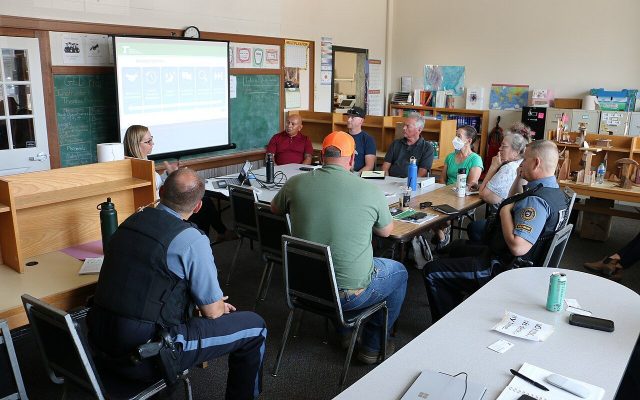
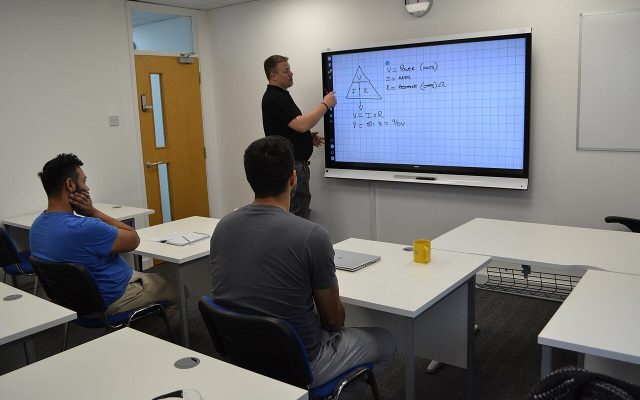
We believe adults learn best by doing. That is why our workshops spend most of the day on exercises and discussion rather than lectures. You will work through real-life examples drawn from NGO projects, practise the tools in small groups and test them against the challenges you face in your own work. The trainer introduces each concept briefly, demonstrates it and then lets you apply it, with feedback along the way.
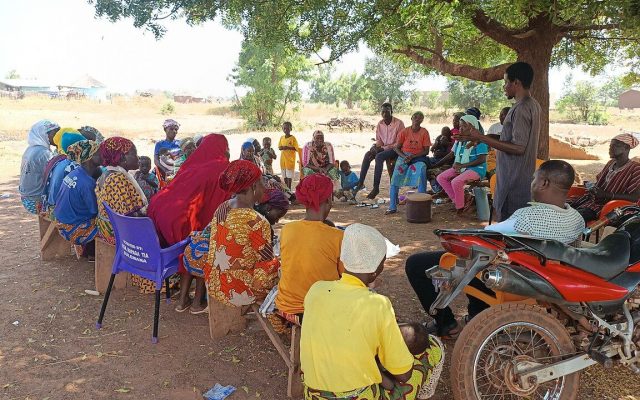
Our content is built on lessons from the corporate trenches: methods that have been tested in demanding commercial environments and then adapted to NGO realities such as restricted funding, donor requirements, volunteer contributors and multi-country partnerships. The goal is not to turn your organisation into a corporation, but to borrow what works and leave behind what does not.
We also encourage you to bring a current or upcoming project to the course. Applying the tools to something real makes the learning stick and means you return to the office with work already under way. You can read more about how we design and deliver training on our training approach page.
Training your whole team
If several colleagues need project management skills, our in-house training can be a cost-effective solution. We bring our courses and trainers to your office and can adapt the material to your organisation’s projects, templates and processes. For a more consultative approach, our trainers can also coach individuals or small groups.
Book your place
Choose the course that suits your experience and book online through our shop. Dates are confirmed by email after booking. If you have questions about the content, your level or a group booking, call us on +32 2 403 49 83 or email [email protected]. We look forward to helping you build your capacity.